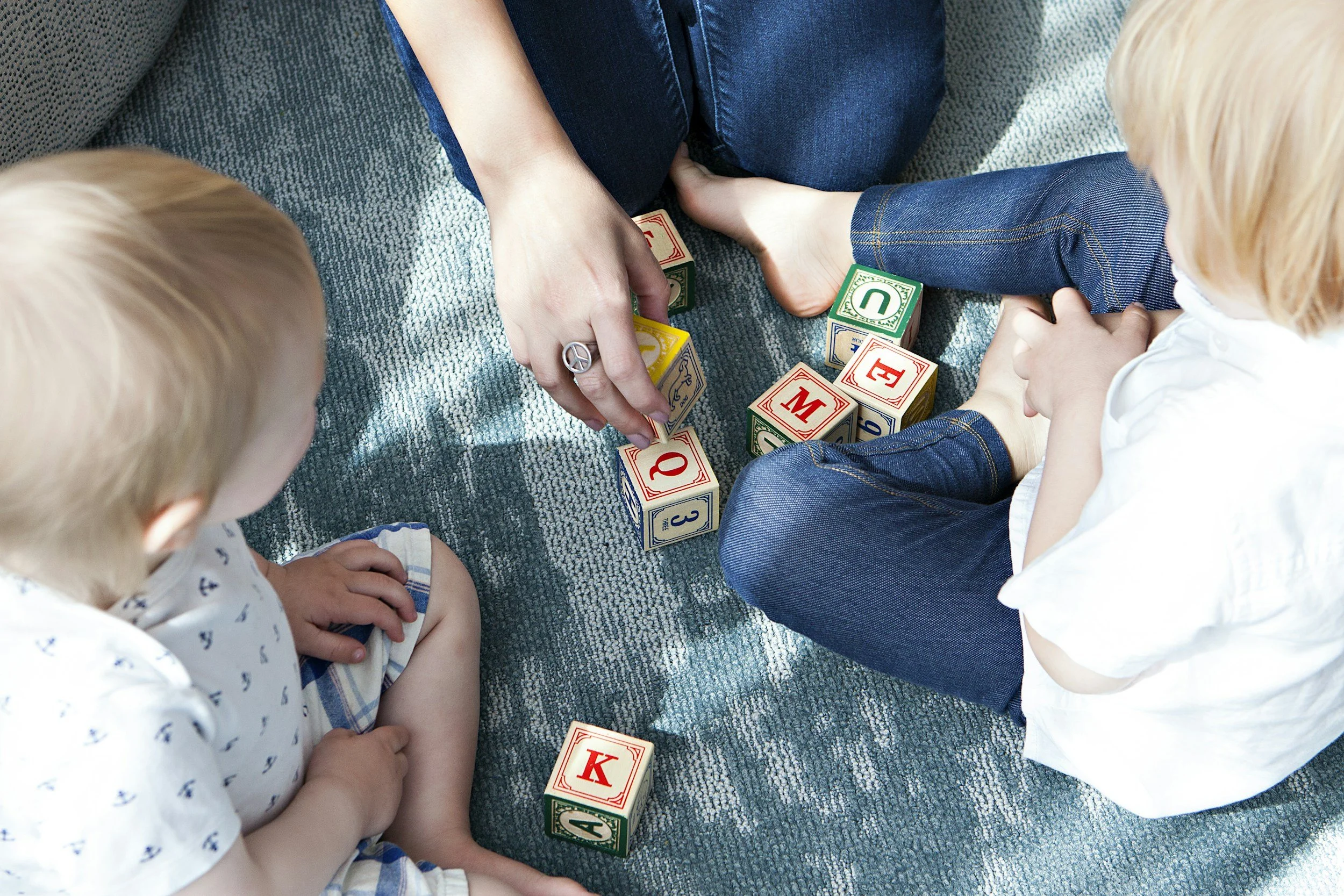
Every parent has stood in the middle of a grocery store, a living room, or a school parking lot wondering why their child is acting this way. The yelling, the refusing, the shutting down, and the sudden tears can feel baffling, exhausting, and sometimes embarrassing. It is easy to see only the behavior and respond to that alone.
Yet behavior is rarely the whole story. For children, actions are often the language they use when words fall short. This post explores how to read the message underneath, what common behaviors may be signaling, and how families can respond in ways that build trust and calm instead of escalating conflict.
Why Behavior Is Communication
Young children do not yet have the vocabulary, the brain development, or the self-awareness to say, "I am overwhelmed, my stomach hurts, and I feel left out." Instead, those experiences come out as hitting, hiding, clinging, or refusing. The behavior is not a plan to upset you. It is a signal that something inside needs attention.
Even older children and teens can struggle to put feelings into words, especially when the feelings are tangled with shame, fear, or confusion. A shift in how we see behavior, from "What is wrong with my child?" to "What is my child trying to tell me?", opens the door to curiosity. Curiosity, in turn, makes it possible to meet the need rather than only manage the symptom.
The Iceberg Idea
A helpful way to picture this is an iceberg. The behavior you see sits above the water, small and loud. Beneath it lie the unseen layers: emotions, physical sensations, past experiences, stress at school, changes at home, and unmet needs for safety or connection.
When we respond only to the tip, the iceberg stays intact, and the behavior returns. When we get curious about what lies below, we have a chance to change what keeps producing it.
Six Messages Hidden Inside Common Behaviors
No behavior has a single meaning, and context always matters. Still, patterns tend to repeat, and knowing them can help you form better guesses. The following examples are starting points for curiosity, not diagnoses.
1. "I Am Overwhelmed"
Meltdowns, tantrums, and explosive reactions often signal that a child's nervous system has hit its limit. After a long day of holding it together at school, a child may fall apart at home precisely because home feels safe. This is sometimes called after-school restraint collapse, and it is more common than many parents realize.
In these moments, logic rarely works. A calm presence, fewer words, and a quiet space for the storm to pass will help more than a lecture. Revisit the lesson later, when your child is settled enough to learn. Many parents find that the same child who could not hear a word during the storm can reflect thoughtfully an hour later over a snack or a bedtime story.
2. "I Am Afraid"
Fear frequently wears a disguise. A child who refuses to go to school, clings at drop-off, or complains of stomachaches may be anxious rather than defiant. Avoidance can look like stubbornness when it is actually self-protection.
Understanding the source of the worry makes all the difference. Our piece on addressing school anxiety in early childhood describes how this shows up in young children and what supportive responses look like.
3. "I Need Connection"
Some behaviors are bids for attention, and that is not a bad thing. Children are wired to seek connection, and when positive attention is scarce, negative attention is better than none. Interrupting, clowning, or provoking a sibling may be a request for your presence.
Small pockets of undivided attention can reduce these behaviors dramatically. Even ten minutes of child-led time, with no phone and no agenda, tells a child that they matter without having to earn it.
4. "My Body Needs Something Different"
Sensory sensitivities, fatigue, hunger, and physical discomfort can all drive behavior. A child who is irritated by scratchy clothing, loud rooms, or bright lights may seem unreasonable when they are truly distressed. Neurodivergent children in particular may experience the world at a different intensity.
Look for patterns in when and where the behavior happens. If it clusters around noisy places, transitions, or certain times of day, the environment may be contributing more than the child's character.
5. "I Want Control"
Children have very little control over their lives, so power struggles often reflect a need for some say. Refusing to put on shoes or insisting on doing it "myself" can be about autonomy, not defiance.
Offering real choices within limits, such as "red cup or blue cup" or "bath before or after the story," gives a child a place to exercise agency. It preserves your boundary while easing the fight.
6. "Something Hurts"
Withdrawal, irritability, changes in sleep or appetite, and a sudden drop in interest can point to sadness, grief, bullying, or something more serious. Children rarely announce that they are hurting. They show it sideways.
When a change in behavior lasts more than a couple of weeks or comes with major shifts in functioning, it is wise to check in with a professional. These six messages overlap, and a single behavior can carry several at once.
How to Respond in the Moment
Knowing the possible meanings is helpful, but the moment of conflict is where it counts. When a child is dysregulated, they cannot access reasoning, and neither can a parent who is flooded with their own stress. The first task is almost always to regulate yourself.
Take a breath, lower your voice, and remind yourself that this is a child who needs help, not a child who is giving you a hard time. That shift alone often changes the tone of the interaction, because children read our nervous systems closely. A regulated adult offers a child something words cannot: a calm body to borrow from until their own settles. This is called co-regulation, and it is the foundation on which self-regulation is built over the years.
Name the Feeling
Putting words to what a child may be feeling gives them a map for their inner world. Phrases like "You look really frustrated" or "That was disappointing" help children learn emotional vocabulary and feel understood. You do not have to be right every time. A tentative guess invites correction and keeps the conversation going.
Hold the Limit With Warmth
Understanding behavior does not mean excusing it. A child can be fully understood and still be told that hitting is not allowed. The most effective approach pairs a clear, calm limit with empathy for the feeling underneath: "You are angry, and I will not let you hit."
Repair Afterward
Every parent loses patience sometimes. What matters is the repair, returning to your child when things have calmed, owning your part, and reconnecting. Repair teaches children that relationships can survive conflict, which is one of the most valuable lessons they can learn.
Where Play and Therapy Come In
Because children express themselves through action and imagination, play is often the most natural route into their inner world. In a therapy room, a child may act out a story with figures, draw a picture, or build a scene, and in doing so show what they cannot say aloud. A skilled therapist watches for themes and helps the child work through them safely.
If you are curious about how this works, our article on how child-led play therapy helps kids with disruptive behaviors walks through the approach and what parents can expect.
For older children and adolescents, therapy often builds the capacity to notice and reflect on feelings. We discuss this idea in building reflective function in adolescents, which shows how thinking about one's own mind and the minds of others can reduce reactivity over time.
Some children resist the idea of therapy at first, which is completely normal. If that sounds familiar, getting your child interested in therapy when they do not want to go offers gentle ways to introduce the idea without turning it into a battle. Patience and a low-pressure start often make the biggest difference.
Parents are an essential part of this work. Caregivers who feel supported tend to respond with more patience, and our post on compassionate care for caregivers of neurodivergent children reminds us that looking after yourself is part of looking after your child.
Listening With Curiosity
Behind nearly every difficult behavior is a child who is trying, in the only way they know how, to communicate something real. When we slow down and listen to what the behavior is saying, we give children the experience of being understood, and that experience is the foundation of emotional growth.
If you are struggling to decode what your child is telling you, you are not alone, and you do not have to figure it out by yourself. The clinicians at IMPACT work with children, teens, and families to understand behavior and build skills that last. Reach out to schedule a consultation and let us help your family find the words.
At IMPACT, we are committed to supporting your mental health and well-being. Our experienced team of professionals are here to help you navigate life's challenges and achieve your goals. If you found this blog helpful and are interested in learning more about how we can assist you on your journey, please don't hesitate to reach out. Take the first step towards a healthier, happier you. Contact us today to schedule a consultation.