Climate Grief and Eco-Anxiety in Adults
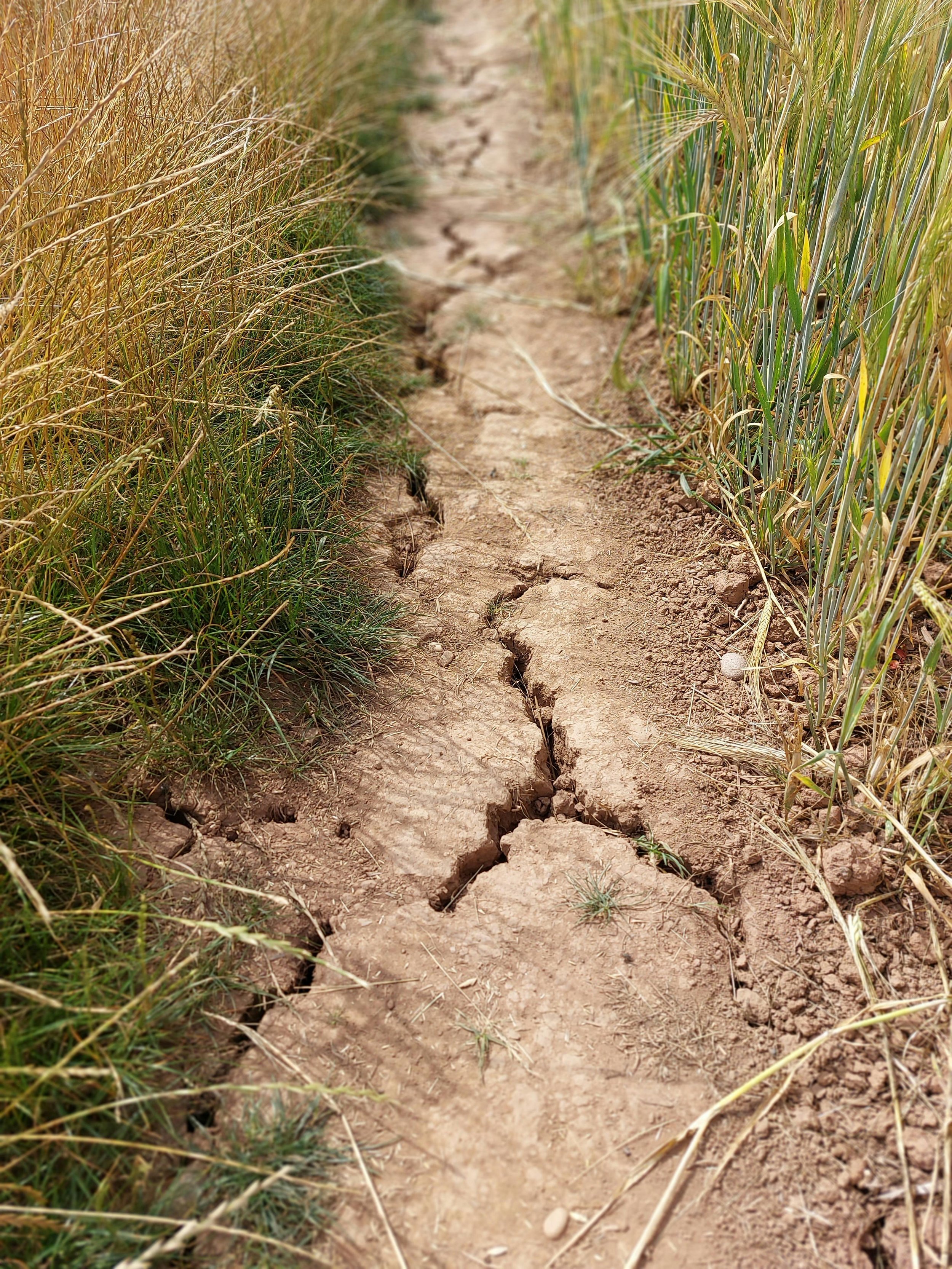
The world is changing in ways that feel increasingly urgent and overwhelming. Rising temperatures, extreme weather events, species extinction, and ecosystem collapse are no longer distant threats but present realities. For many adults, these environmental changes trigger profound emotional responses that mental health professionals now recognize as climate grief and eco-anxiety. These feelings are not signs of mental illness but rational responses to a genuine crisis.
Understanding Climate Grief and Eco-Anxiety
Climate grief and eco-anxiety are related but distinct experiences, both reflecting the emotional toll of environmental change.
Climate grief refers to the mourning we experience in response to environmental losses. This might include grief over disappearing landscapes, extinct or endangered species, the loss of seasons or weather patterns we remember from childhood, or the future we imagined for ourselves and future generations. This grief is often described as "solastalgia," a term coined by philosopher Glenn Albrecht to describe the distress caused by environmental change in one's home environment.
Eco-anxiety, meanwhile, refers to chronic worry about environmental doom and the future of the planet. It manifests as persistent anxiety about climate change and its impacts, fear for the future of humanity and other species, worry about children's or future generations' quality of life, or stress about individual impact and responsibility. Unlike clinical anxiety disorders, eco-anxiety is a rational response to a real threat.
Why Climate Emotions Hit Adults Particularly Hard
Adults experience climate grief and eco-anxiety through several distinctive lenses.
Generational Awareness
Many adults today grew up in a time when environmental awareness was less urgent. They've witnessed the deterioration firsthand, creating a particularly acute sense of loss. This generational perspective allows them to see how rapidly conditions have changed, which can intensify feelings of grief and anxiety.
Parental Concerns
Adults with children or those considering having children face unique emotional challenges. They worry about the world their children will inherit and struggle with guilt about bringing children into an uncertain future. These parental concerns can amplify climate anxiety significantly.
Professional and Practical Responsibilities
Adults often feel caught between knowledge of environmental crisis and the practical demands of their lives. They may work in industries that contribute to environmental problems, feel unable to make sufficient changes due to economic constraints, or struggle to balance environmental values with career and family responsibilities.
Loss of Future Imagined
Climate change disrupts the future adults expected to have, including plans for retirement, travel, or simply the assumption of a stable world. This loss of imagined future can create a particularly complex form of grief.
These factors combine to create an emotional landscape that can feel overwhelming and isolating.
The Psychological Mechanisms Behind Climate Emotions
Understanding why we feel the way we do about climate change can help normalize these responses. Much of climate grief is anticipatory: we're mourning losses that haven't fully occurred yet but feel inevitable. This forward-looking grief can be especially painful because it offers no clear endpoint or resolution. Climate change represents an existential threat not just to individuals but to humanity and countless other species. Our minds aren't well-equipped to process threats of this magnitude, leading to psychological responses including denial and avoidance, anxiety and hypervigilance, or despair and helplessness.
Many people experience distress from the gap between their values (caring about the environment) and their actions (participating in environmentally harmful systems). This cognitive dissonance creates ongoing psychological tension. Climate change can trigger feelings of powerlessness. Individual actions, while important, feel insufficient to address a problem of this scale. This lack of control over such a significant threat naturally generates anxiety. These psychological mechanisms help explain why climate emotions can feel so intense and difficult to manage.
Physical and Emotional Manifestations
Climate grief and eco-anxiety can manifest in various ways across different life domains.
Emotional Symptoms
People experiencing climate distress often report persistent sadness or mourning, anxiety or panic about the future, anger at inaction or denial, guilt about one's carbon footprint, and emotional numbness or avoidance.
Behavioral Changes
Climate emotions can lead to behavioral shifts, including hypervigilance about environmental news, avoidance of climate-related information, obsessive eco-friendly behaviors, withdrawal from long-term planning, and lifestyle changes aimed at reducing environmental impact.
Physical Symptoms
The stress of climate anxiety can create physical manifestations such as sleep disturbances, appetite changes, fatigue, and stress-related health issues.
Relationship Impacts
Climate concerns can affect relationships through conflict with friends or family who don't share concerns, isolation from those who dismiss climate worries, or intense connection with those who share environmental values.
Recognizing these manifestations in yourself or others can be the first step toward addressing them constructively.
Healthy vs. Unhealthy Responses
Not all responses to climate grief and eco-anxiety are equally helpful. Understanding the difference can guide you toward more constructive coping.
Healthy responses to climate emotions include taking meaningful action within your sphere of influence, connecting with others who share concerns, balancing awareness with self-care, channeling emotions into advocacy or activism, and maintaining hope while acknowledging difficulty.
Less helpful responses that may indicate a need for support include complete paralysis or inability to function, obsessive behaviors that interfere with daily life, avoidance that prevents necessary engagement, despair without any sense of agency, and social isolation or relationship damage.
The goal is not to eliminate climate emotions but to process them in ways that allow for both acknowledgment of the crisis and sustained engagement with life and action.
Coping Strategies for Climate Grief and Eco-Anxiety
Several evidence-based strategies can help manage climate emotions while maintaining well-being.
1. Acknowledge and Validate Your Feelings
Your grief and anxiety about climate change are legitimate responses to a real crisis. Allowing yourself to feel these emotions without judgment is the first step toward processing them.
2. Find Community
Connecting with others who share your concerns can reduce feelings of isolation. Consider joining environmental groups, attending climate events or protests, participating in online communities focused on climate action, or simply talking with friends and family who understand.
3. Take Meaningful Action
While individual action alone won't solve climate change, engaging in environmental efforts can reduce feelings of helplessness. This might include making sustainable lifestyle changes, supporting environmental organizations, engaging in advocacy or activism, or using professional skills for environmental causes.
4. Practice Emotional Regulation
Techniques for managing intense emotions can be particularly helpful, including mindfulness and grounding exercises, limiting exposure to overwhelming news, maintaining routines that support well-being, and engaging in activities that bring joy and connection.
These strategies work best when combined with professional support when needed.
When to Seek Professional Help
While climate grief and eco-anxiety are normal responses, they sometimes require professional support.
Consider seeking therapy if climate emotions are preventing you from functioning in daily life, causing severe depression or anxiety symptoms, leading to substance use or other harmful coping mechanisms, or creating significant relationship problems.
Online therapy can be particularly accessible for those struggling with these issues, offering flexibility and convenience while providing professional support.
Finding Hope and Meaning
Healing from climate grief doesn't mean becoming indifferent or hopeless. Instead, it involves finding ways to hold both the pain of environmental loss and a sense of agency and purpose. Many people find that processing climate emotions allows them to engage more effectively with environmental issues rather than being paralyzed by them.
This might involve connecting with the resilience of natural systems, finding meaning in collective action, focusing on what can be protected or restored, or engaging with indigenous wisdom about living in balance with nature.
Climate grief and eco-anxiety reflect your care for the world and future generations. These feelings, while painful, connect you to what matters most. With support and healthy coping strategies, you can process these emotions in ways that sustain both your well-being and your engagement with environmental issues.
If climate emotions are affecting your quality of life, reach out to IMPACT Psychological Services. Our team is here to help you navigate these complex feelings while maintaining your mental health and sense of purpose.
At IMPACT, we are committed to supporting your mental health and well-being. Our experienced team of professionals are here to help you navigate life's challenges and achieve your goals. If you found this blog helpful and are interested in learning more about how we can assist you on your journey, please don't hesitate to reach out. Take the first step towards a healthier, happier you. Contact us today to schedule a consultation.